
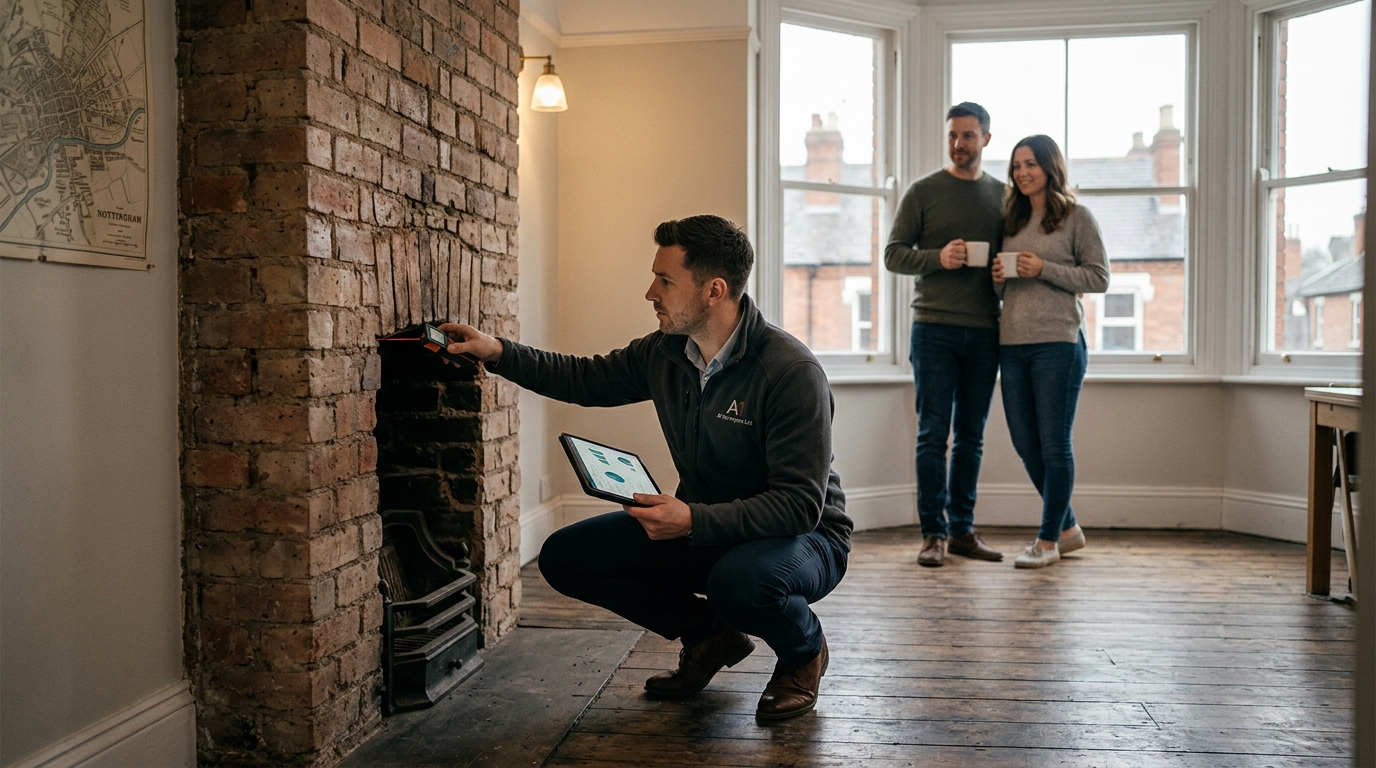
Buying a property in Nottingham is an exciting milestone, but older homes in this historic city often come with hidden complexities. According to recent market analyses, properties in the East Midlands region frequently require detailed structural assessments due to aging infrastructure and unique local building materials. A professional survey is not merely a formality; it is a critical financial safeguard. This guide outlines how to prepare for and obtain a structural survey on your older Nottingham property, ensuring you make an informed decision with confidence.
Understanding Survey Types for Older Homes
Before you can prepare effectively, you must understand the difference between the available survey levels. The Royal Institution of Chartered Surveyors (RICS) defines three main levels of home surveys. Choosing the wrong level can lead to costly oversights or unnecessary expenditure.
RICS Level 2 Survey
A RICS Level 2 Survey, also known as a HomeBuyer Report, is suitable for conventional properties built with standard materials. It provides a visual inspection of the property's condition. A RICS Level 2 Survey is a standardized inspection that highlights visible defects and urgent repairs. However, for older Nottingham properties, this level may not be sufficient if significant structural concerns are suspected.
RICS Level 3 Survey
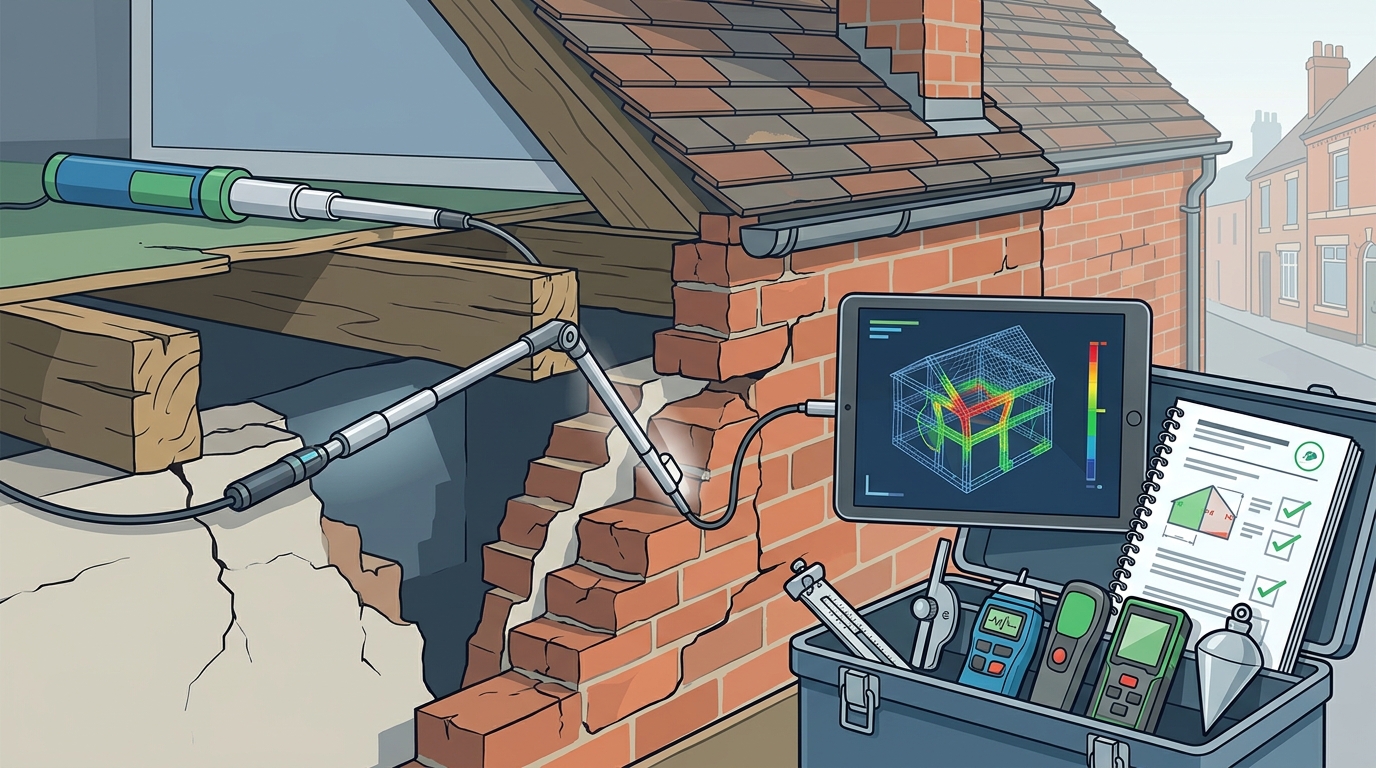
A RICS Level 3 Survey, or Building Survey, is the most comprehensive option. It is specifically recommended for older, listed, or significantly altered properties. This survey involves a deep dive into the structure and fabric of the building. A RICS Level 3 Survey is a detailed structural analysis that examines hidden elements and long-term maintenance needs. For homes in Nottingham's historic districts, such as those near the Castle or in Lace Market, this is often the only way to uncover serious issues like subsidence or damp.
RICS Valuation
A RICS Valuation is a financial assessment rather than a structural one. It determines the market value of the property. A RICS Valuation is a financial estimate used primarily for mortgage lending purposes. While important for securing finance, it does not replace the need for a structural survey.
The Pre-Survey Preparation Checklist
Preparation is key to a successful survey. A well-prepared property allows the surveyor to work efficiently and identify issues more accurately. Follow this checklist to ensure your older Nottingham property is ready for inspection.
1. Gather Historical Documentation
Older properties often have a complex history of extensions and modifications. Collect any existing floor plans, building regulations approvals, and past survey reports. If you have records of previous repairs, such as underpinning or roof replacements, provide these to your surveyor. This context helps them understand the building's evolution and potential weak points.
2. Ensure Full Access
The surveyor needs access to all areas of the property, including the loft, cellar, and external boundaries. Clear any obstructions in the loft space and ensure the cellar is accessible. If there are locked gates or restricted areas, arrange for access in advance. Book your survey early to secure a time that works for both you and the surveyor.
3. Prepare External Areas
Ensure the surveyor can access the exterior of the property. Trim back any overgrown vegetation that blocks walls, drains, or roofs. Clear debris from around the foundation. This is particularly important for older Nottingham homes, which may have traditional drainage systems that are prone to blockage.
4. Note Known Issues
If you are aware of any specific problems, such as damp patches, cracking, or sagging floors, make a note of them. Point these out to the surveyor during the inspection. This ensures they are examined closely and not missed.
Nottingham-Specific Structural Risks
Nottingham's older properties face unique structural challenges due to the city's industrial heritage and geological makeup. Understanding these risks is crucial for effective preparation.
Subsidence and Clay Soils
Parts of Nottingham are built on clay soils, which expand and contract with moisture changes. This movement can cause subsidence, leading to cracks in walls and uneven floors. RICS guidelines emphasize the importance of identifying subsidence risks early. A Level 3 Survey will investigate soil conditions and foundation stability in detail.
Traditional Construction Materials
Many older Nottingham homes are built with traditional materials such as lime mortar and hand-made bricks. These materials behave differently than modern cement and brick. Heritage Gateway data indicates that lime mortar requires specific maintenance techniques. A surveyor familiar with local construction methods will assess the condition of these materials accurately.
Damp and Ventilation
Older properties often lack modern damp-proof courses and ventilation systems. Rising damp and condensation are common issues. University of Bath research highlights the impact of poor ventilation on building health. Ensure the surveyor checks for adequate airflow in sub-floor spaces and roof voids.
Asbestos and Lead Paint
Properties built before 1985 may contain asbestos or lead paint. While a surveyor will not test for these, they will identify materials that may contain them. Health and Safety Executive (HSE) guidelines advise caution when dealing with such materials. Plan for professional testing if needed.
Selecting the Right Chartered Surveyor
Choosing a qualified and experienced surveyor is the most critical step in the process. For older Nottingham properties, local expertise is invaluable.
Verify RICS Registration
Ensure your surveyor is registered with the Royal Institution of Chartered Surveyors. This guarantees they adhere to professional standards and have access to indemnity insurance. RICS provides a directory of registered firms.
Look for Local Experience
Choose a surveyor with extensive experience in Nottingham and the surrounding Midlands area. Local surveyors understand the common issues associated with regional property types. A1 Surveyors Ltd specializes in Level 2 and Level 3 RICS Home Surveys for properties in the Midlands, offering tailored expertise.
Check Reviews and References
Read client reviews and ask for references. Look for feedback on the clarity of reports, responsiveness, and thoroughness. Request a quote from multiple surveyors to compare services and pricing.
Understand the Report Format
Ask for a sample report to understand the format and level of detail. A good report should be clear, concise, and actionable. It should highlight urgent issues and provide maintenance advice.
Interpreting Your Survey Report
Once the survey is complete, you will receive a detailed report. Understanding this report is essential for making informed decisions about your purchase.
Priority Ratings
RICS surveys use a priority rating system to indicate the urgency of repairs. Priority 1 indicates defects that are dangerous or require urgent repair. Priority 2 indicates defects that need attention but are not immediately dangerous. Priority 3 indicates defects that need monitoring or further investigation. Focus your negotiation efforts on Priority 1 and 2 items.
Cost Estimates
The report may include estimated costs for repairs. Use these estimates to negotiate the purchase price or request that the seller carry out repairs. Be aware that these are estimates and actual costs may vary.
Maintenance Advice
Pay attention to the maintenance advice provided. Older properties require regular upkeep to prevent deterioration. Plan for ongoing maintenance costs in your budget.
Next Steps
If significant issues are identified, consider further investigations by specialists, such as structural engineers or damp proofing experts. This additional information can help you decide whether to proceed with the purchase, renegotiate the price, or walk away.
Key Takeaways
- Survey Type Matters: For older Nottingham properties, a RICS Level 3 Building Survey is often the most appropriate choice due to the complexity of the structures.
- Local Expertise is Vital: Surveyors familiar with Nottingham's clay soils and traditional building materials can identify risks that generalists might miss.
- Preparation Saves Time: Gathering historical documents and ensuring access to all areas of the property streamlines the survey process.
- Nottingham Risks: Subsidence, damp, and traditional material degradation are common issues in the region that require specific attention.
- Professional Verification: Always choose an RICS-registered surveyor with a proven track record in the Midlands area.
- Report Interpretation: Understand the priority ratings in the report to focus on urgent repairs and negotiate effectively.
- Long-Term Planning: Factor in ongoing maintenance costs for older properties to avoid unexpected financial burdens.
Frequently Asked Questions
How long does a structural survey take?
A RICS Level 3 Building Survey typically takes between 4 to 8 hours to complete, depending on the size and complexity of the property. The report itself may take a few days to finalize.
Is a Level 2 survey sufficient for an older home?
For older homes, a Level 2 survey may not be sufficient if there are suspected structural issues. A Level 3 survey provides a more detailed analysis of the structure and is recommended for properties over 50 years old or with significant alterations.
What is the cost of a structural survey in Nottingham?
The cost varies based on the property value and survey type. Generally, a Level 2 survey costs between £400 and £900, while a Level 3 survey can range from £600 to £1,500 or more. Contact A1 Surveyors Ltd for a precise quote.
Can I attend the survey?
Yes, you are welcome to attend the survey. This is an excellent opportunity to ask questions and see issues firsthand. However, it is important to allow the surveyor to work without interruption.
What happens if the survey reveals major issues?
If major issues are found, you can renegotiate the purchase price, request repairs, or withdraw from the purchase. The survey report provides the evidence needed to support your negotiations.
Do I need a survey for a new build?
New builds typically come with a warranty, such as NHBC, which covers structural defects for ten years. However, a snagging survey is still recommended to identify minor defects before completion.
How do I choose the right surveyor?
Choose an RICS-registered surveyor with local experience. Check reviews, ask for references, and ensure they understand the specific challenges of older Nottingham properties.
Secure Your Investment Today
Protecting your investment in an older Nottingham property requires expert guidance. A1 Surveyors Ltd offers specialized Level 2 and Level 3 RICS Home Surveys tailored to the unique needs of the Midlands region. With over 25 years of experience and a client satisfaction rate of 99%, we provide the precision and expertise you need to make informed decisions. Book your survey now to ensure a smooth and confident property transaction.