
Property transactions in the United Kingdom involve significant financial risk, making professional surveying an essential step in the buying process. According to recent industry data, over 4 million homes change hands annually in the UK, with the majority requiring some form of structural assessment to ensure long-term viability. A RICS Home Survey provides the necessary clarity on property condition, preventing costly surprises after completion. This guide details the exact process of completing a survey, from selecting the right level to interpreting the final report.
Choosing the Right Survey Level
The first step in completing a RICS Home Survey is selecting the appropriate level of inspection. The Royal Institution of Chartered Surveyors (RICS) defines three distinct levels, each serving different property types and conditions. A Level 1 Survey is a basic condition report suitable for new builds or conventional properties in good condition. It provides a traffic-light summary but does not include detailed advice or market valuation.
A Level 2 Survey, also known as a HomeBuyer Report, is the most common choice for standard properties. It includes a detailed inspection, traffic-light condition ratings, and advice on repairs. A Level 3 Survey, or Building Survey, is the most comprehensive option. It is designed for older, larger, or non-standard properties. This level involves a thorough examination of the structure and fabric of the building. It identifies defects, causes, and recommended remedies in detail.
At A1 Surveyors Ltd, we specialize in delivering precise Level 2 and Level 3 surveys. Our team ensures that you receive the correct level of scrutiny for your specific property type. Choosing the wrong level can lead to either insufficient information or unnecessary expense. We recommend consulting with our experts to determine the optimal path for your transaction.
Preparing the Property for Inspection
Once the survey level is selected, the next phase involves preparing the property for the inspection. This step is critical for ensuring the surveyor can access all necessary areas. The seller or their agent must ensure that all rooms, lofts, and cellars are accessible. Blocked access points can limit the scope of the survey and potentially miss hidden defects.
It is also important to provide the surveyor with relevant documentation. This includes planning permissions, building regulations certificates, and any previous survey reports. These documents help the surveyor understand the history of alterations and repairs. A clear understanding of the property's background allows for a more accurate assessment of its current condition.
At A1 Surveyors Ltd, we streamline this process by providing a clear checklist for clients. Our booking form captures essential details about the property age, type, and number of bedrooms. This pre-inspection data allows our chartered surveyors to prepare effectively before arriving on site. Efficient preparation reduces the time required for the inspection and ensures a thorough examination.
The Survey Execution Phase
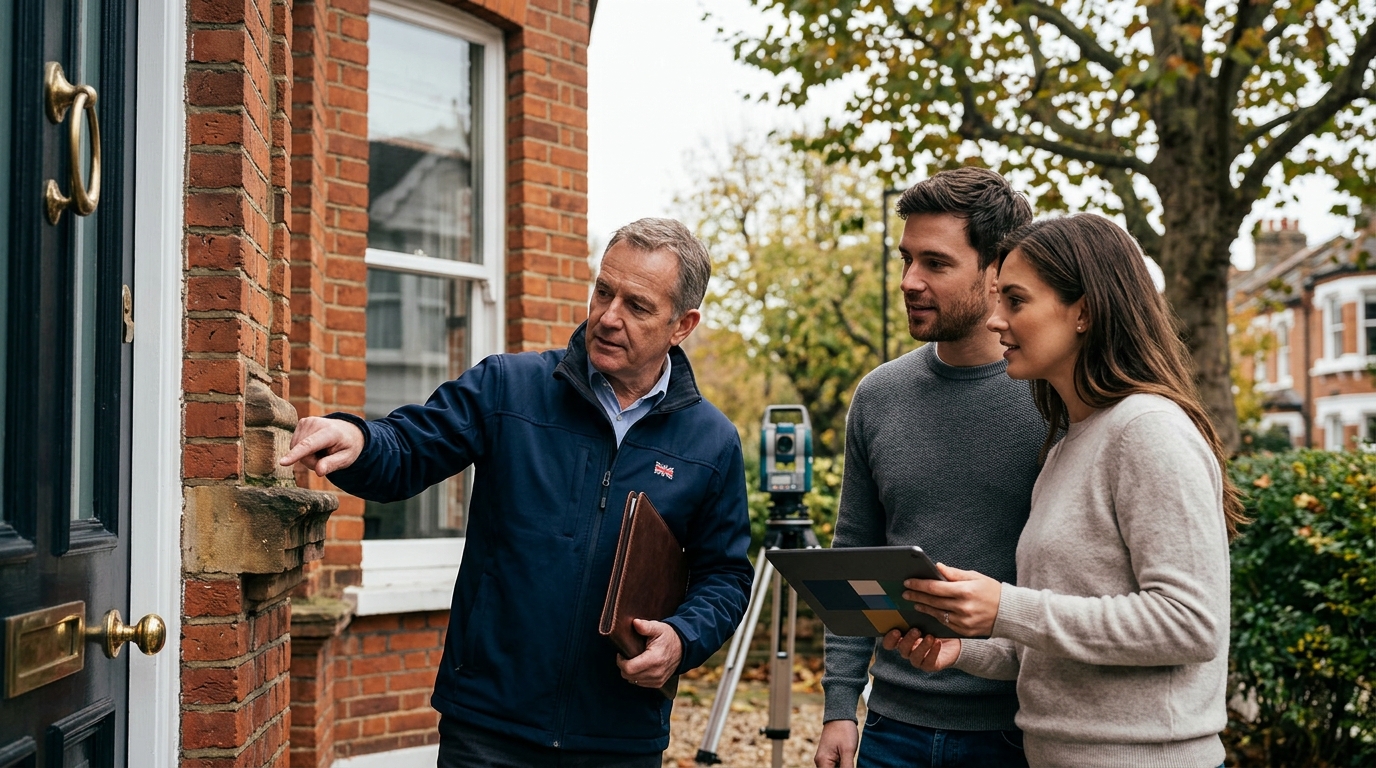
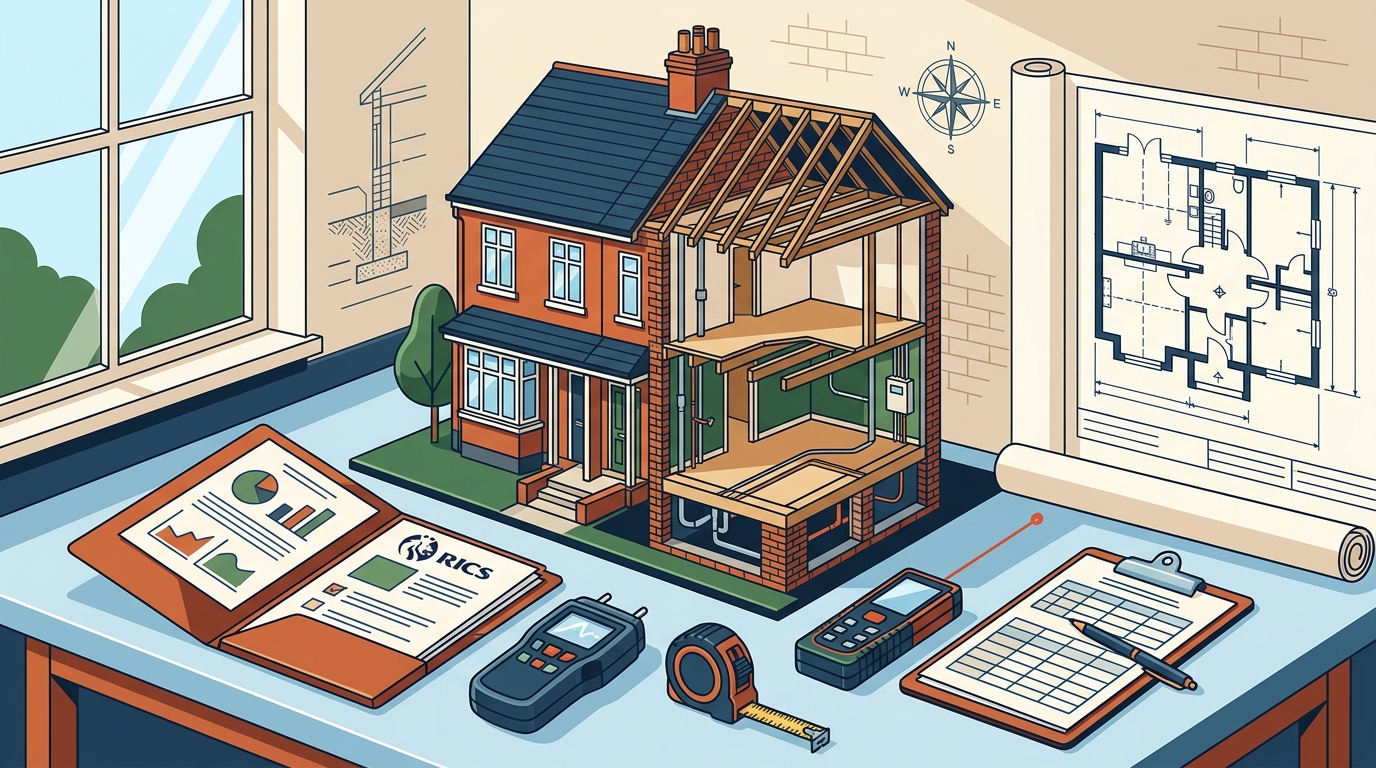
The execution of the survey involves a physical inspection of the property. The surveyor will examine the exterior and interior structures, including walls, roofs, floors, and windows. They will look for signs of subsidence, dampness, and structural movement. This phase requires a keen eye for detail and extensive experience in identifying potential issues.
During the inspection, the surveyor will also assess the condition of visible services. This includes electrical systems, plumbing, and heating. While they do not perform technical tests on these systems, they note any obvious signs of malfunction or unsafe conditions. The surveyor will also check for insulation and ventilation, which are critical for energy efficiency and long-term building health.
Our team at A1 Surveyors Ltd brings over 25 years of experience to every inspection. We utilize advanced diagnostic tools to detect moisture levels and structural integrity issues. Our surveyors are trained to identify both obvious and subtle defects that could impact the property's value or safety. This rigorous approach ensures that no critical information is overlooked during the inspection.
Understanding Report Delivery
After the inspection, the surveyor compiles the findings into a detailed report. This report is the primary deliverable of the survey process. It includes a summary of the property's condition, a market valuation, and a reinstatement cost assessment. The report uses a traffic-light system to highlight urgent, significant, and minor defects.
The Level 2 report typically includes a concise summary and advice on repairs. It is designed to be easily understood by non-experts. The Level 3 report is more extensive, providing detailed analysis and recommendations for further investigations. It may include diagrams and photographs to illustrate specific defects.
At A1 Surveyors Ltd, we prioritize clear and actionable reporting. Our reports are written in plain English, avoiding unnecessary jargon. We ensure that clients understand the implications of each finding. Our client-centric approach means we are available to discuss the report and answer any questions. This support is crucial for making informed decisions about the property purchase.
Post-Survey Decision Making
The final step in completing a RICS Home Survey is using the report to inform your decision. The findings can influence the negotiation process, insurance requirements, and future maintenance plans. If significant defects are identified, you may choose to renegotiate the purchase price or request repairs from the seller.
It is also important to consider the long-term implications of the identified issues. Some defects may require immediate attention, while others can be managed over time. Understanding the urgency and cost of repairs helps in budgeting for the property. The surveyor's recommendations provide a roadmap for future maintenance and improvement.
Our team at A1 Surveyors Ltd supports clients through this decision-making process. We provide guidance on the next steps based on the survey findings. Whether you need to engage a specialist for further investigation or simply want to understand the repair costs, we are here to help. Our goal is to ensure you complete your property transaction with confidence and clarity.
Key Takeaways
- Survey Levels Matter: Choose between Level 2 and Level 3 based on property age and condition to ensure adequate coverage.
- Access is Critical: Ensure all areas of the property are accessible to avoid limited survey scopes.
- Documentation Helps: Provide planning permissions and previous reports to aid the surveyor's analysis.
- Experience Counts: A1 Surveyors Ltd has over 25 years of experience and has surveyed 5000+ properties.
- Clear Reporting: Reports use a traffic-light system for easy understanding of defect urgency.
- Post-Survey Support: Our team assists with negotiation and repair planning after report delivery.
- Client Satisfaction: We maintain a 99% client satisfaction rate through personalized service.
Frequently Asked Questions
What is the difference between a Level 2 and Level 3 survey?
A Level 2 survey is a HomeBuyer Report suitable for standard properties in reasonable condition. It includes a traffic-light summary and advice on repairs. A Level 3 survey is a Building Survey designed for older or non-standard properties. It provides a detailed analysis of the structure and fabric, including identification of defects and causes.
How long does a RICS survey take to complete?
The duration of a survey depends on the property size and complexity. A typical Level 2 survey may take 2 to 4 hours. A Level 3 survey can take 4 to 8 hours or more. The report delivery usually follows within 5 to 10 working days after the inspection.
Do I need a survey if the property is new?
Even new properties can have defects. A Level 1 or Level 2 survey can identify issues with construction quality or finishing. It is advisable to have a survey to ensure the property meets expected standards.
What happens if the survey reveals major issues?
If major issues are found, you can renegotiate the purchase price or request repairs. You may also choose to withdraw from the purchase. Our team at A1 Surveyors Ltd can provide guidance on the best course of action based on the findings.
Can I be present during the survey?
Yes, you can attend the survey. This allows you to ask questions and see the property from the surveyor's perspective. However, it is important to allow the surveyor to work without interruption.
How much does a RICS survey cost?
The cost varies based on the property value and survey level. Level 2 surveys typically range from £400 to £1000. Level 3 surveys are more expensive due to their comprehensive nature. Contact A1 Surveyors Ltd for a precise quote.
Why choose a chartered surveyor?
Chartered surveyors are regulated by the RICS and adhere to strict professional standards. They provide unbiased, accurate assessments. Their expertise ensures that you receive reliable information for your property transaction.
Book Your Survey
Completing a RICS Home Survey is a vital step in protecting your investment. By choosing the right level of inspection and working with experienced professionals, you can navigate the property market with confidence. At A1 Surveyors Ltd, we are dedicated to providing accurate and detailed surveys that help you make informed decisions.
Our team of expert chartered surveyors is ready to assist you. We offer personalized service tailored to your specific needs. Whether you require a Level 2 or Level 3 survey, we ensure precision and expertise in every report.
Click here to get a quote or book a survey today. Secure your property future with A1 Surveyors Ltd.