
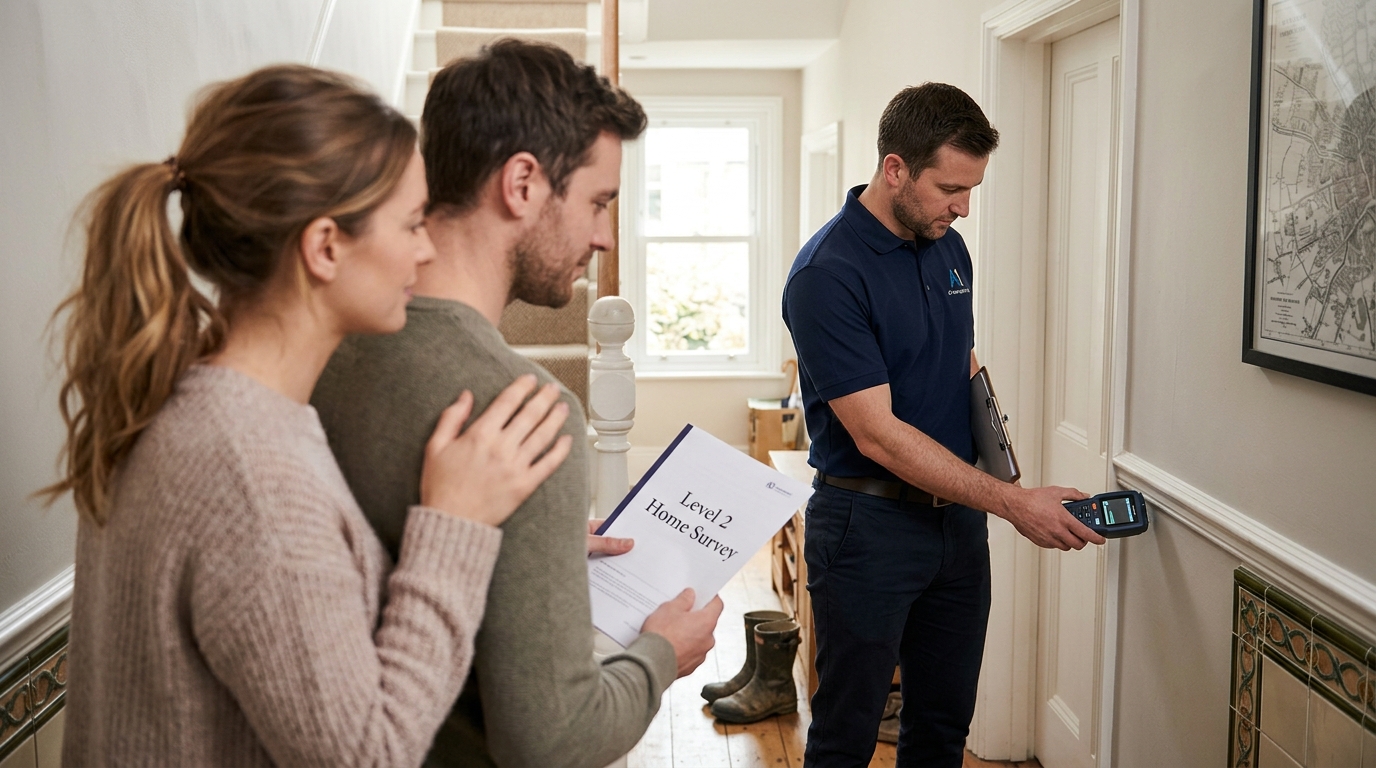
Buying a property is often the most significant financial transaction of your life. According to recent market analyses, over 1.2 million homes change hands annually in the United Kingdom, with a substantial portion of those transactions relying on professional surveying to mitigate risk. A Level 2 Home Survey, formerly known as a HomeBuyer Report, serves as the critical safety net in this process. It provides a balanced, non-intrusive assessment of a property's condition, highlighting urgent defects and potential issues that could impact your investment. Understanding how to prepare for this inspection and interpret the resulting report is essential for any buyer seeking clarity and confidence in their purchase. (Home)
Why Choose a Level 2 Survey?
A Level 2 Home Survey is designed for conventional properties that appear to be in reasonable condition. It is the most popular choice for buyers purchasing standard homes, flats, or period properties that have not been significantly altered. The primary goal of this survey is to identify visible defects that could affect the property's value or require immediate attention. Unlike a basic valuation, a Level 2 survey offers a detailed look at the structural integrity and general condition of the building.
The Royal Institution of Chartered Surveyors (RICS) sets the standards for these surveys. RICS guidelines emphasize that the surveyor must provide an objective assessment of the property's condition without causing damage. This non-invasive approach ensures that the survey can be completed efficiently while still providing comprehensive data. For most buyers, this level of detail offers the perfect balance between cost and insight, making it an ideal choice for standard residential properties.
At A1 Surveyors Ltd, we specialize in delivering precise Level 2 surveys that help clients make informed decisions. Our team of expert chartered surveyors ensures that every aspect of the property is examined with care and professionalism. By choosing a Level 2 survey, you are investing in peace of mind, knowing that you have a clear understanding of the property's current state before committing to the purchase.
Preparing Your Property for Inspection
Preparation is key to ensuring that your surveyor can conduct a thorough and efficient inspection. While the surveyor will perform the majority of the work, your cooperation can significantly enhance the quality of the report. Start by ensuring that all areas of the property are accessible. This includes lofts, cellars, garages, and any outbuildings. If these areas are locked or blocked, the surveyor may not be able to inspect them, which could leave gaps in the report.
Provide the surveyor with any relevant documentation before the inspection. This includes planning permissions, building regulations certificates, and warranties for any recent work. These documents can help the surveyor verify the quality of past renovations and identify potential issues that may not be immediately visible. For example, if you have recently installed a new roof, having the warranty and installation certificate can confirm that the work meets current standards.
Ensure that the property is clean and free of clutter. While the surveyor will inspect the structure and fabric of the building, excessive clutter can hinder their ability to access certain areas. Clearing away personal items from cupboards, under sinks, and around the boiler can help the surveyor perform a more thorough inspection. Additionally, ensure that utilities are turned on, including heating and water, so that the surveyor can test the functionality of the systems.
At A1 Surveyors Ltd, we recommend that buyers communicate any specific concerns they have with the property before the survey. This allows our surveyors to focus on those areas during the inspection. Whether you are worried about damp, subsidence, or the condition of the roof, sharing your concerns ensures that these issues are given appropriate attention in the final report.
What Happens During the Inspection?
During a Level 2 Home Survey, the surveyor will conduct a visual inspection of the property's accessible areas. This includes the exterior walls, roof, windows, doors, and internal structures. The surveyor will look for signs of damage, decay, or deterioration that could affect the property's value or safety. They will also assess the condition of the visible parts of the drainage, heating, and electrical systems.
The inspection is non-intrusive, meaning that the surveyor will not move furniture, lift floorboards, or drill into walls. This limitation is important to understand, as it means that some hidden defects may not be detected. However, the surveyor will use their expertise to identify visible signs of potential issues, such as damp patches, cracks, or rot. If they suspect a hidden problem, they will recommend further investigation by a specialist.
The surveyor will also check for compliance with current building regulations and planning permissions. This is particularly important for older properties or those that have undergone significant alterations. By verifying that the work was carried out legally and to standard, the surveyor can help you avoid future legal or financial complications. For more information on building regulations, you can visit the Planning Portal.
Our team at A1 Surveyors Ltd is trained to identify subtle signs of structural issues that may be missed by the untrained eye. We use advanced diagnostic tools and techniques to ensure that our reports are as accurate and comprehensive as possible. Our surveyors are also experienced in dealing with a wide range of property types, from modern flats to historic period homes.
Understanding the Report Structure
Once the inspection is complete, the surveyor will produce a detailed report. The Level 2 Home Survey report is structured to provide clear and actionable information. It typically includes an executive summary, a property information section, a condition assessment, and a traffic light rating system for different parts of the property.
The executive summary provides a high-level overview of the property's condition and highlights any urgent defects that need immediate attention. This section is crucial for buyers who want to quickly understand the main issues without delving into the technical details. The property information section includes details about the property's location, construction type, and any relevant planning permissions.
The condition assessment uses a traffic light rating system to indicate the condition of various parts of the property. A green light indicates that the component is in good condition, a yellow light indicates that it needs attention, and a red light indicates that urgent repair or replacement is required. This visual system makes it easy to prioritize issues and understand the severity of each defect.
The report also includes recommendations for further investigations and maintenance. If the surveyor identifies potential issues that require specialist input, they will provide clear guidance on who to contact and what to ask. This ensures that you have a clear path forward for addressing any identified problems. For more details on how to interpret these ratings, you can refer to RICS Level 2 guidance.
At A1 Surveyors Ltd, we ensure that our reports are written in clear, accessible language. We avoid technical jargon where possible and provide explanations for any complex issues. Our goal is to empower you with the knowledge you need to make an informed decision about your property purchase.
Level 2 vs. Level 3 Surveys
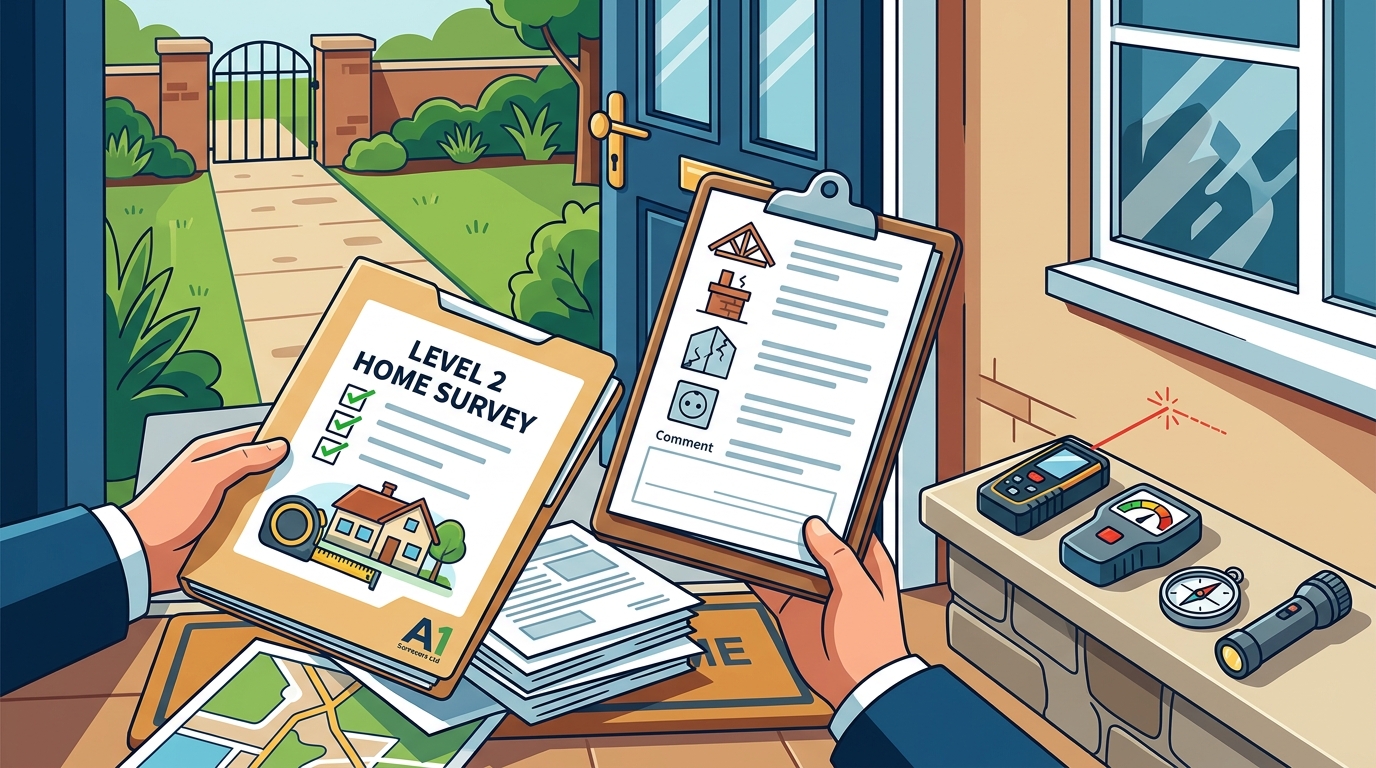
Choosing between a Level 2 and a Level 3 survey depends on the age, condition, and type of property you are buying. A Level 2 survey is suitable for conventional properties that appear to be in reasonable condition. It provides a balanced assessment of the property's condition and highlights urgent defects. A Level 3 survey, also known as a Building Survey, is a more comprehensive and detailed inspection. It is recommended for older properties, those in poor condition, or those that have been significantly altered.
| Feature | Level 2 Home Survey | Level 3 Building Survey |
|---|---|---|
| Best For | Conventional properties in reasonable condition | Older, unusual, or altered properties |
| Depth of Inspection | Visual inspection, non-intrusive | Comprehensive, detailed inspection |
| Report Detail | Condition ratings, urgent defects | Defects, causes, repair options, maintenance |
| Cost | More affordable | Higher cost due to depth |
| Timeframe | Faster turnaround | Longer turnaround time |
Understanding the differences between these two survey types is essential for making the right choice for your property. If you are unsure which survey is appropriate, our team at A1 Surveyors Ltd can provide expert advice. We can help you assess the property's condition and recommend the most suitable survey type based on your specific needs.
For more information on the differences between survey types, you can visit the RICS website. They provide detailed comparisons and guidance to help buyers make informed decisions.
Key Takeaways
- A Level 2 Home Survey is ideal for conventional properties in reasonable condition, providing a balanced assessment of the property's state.
- Preparation involves ensuring access to all areas, providing relevant documentation, and clearing clutter to facilitate a thorough inspection.
- The inspection is non-intrusive, focusing on visible defects and structural integrity without causing damage to the property.
- The report uses a traffic light rating system to clearly indicate the condition of various components, making it easy to prioritize repairs.
- A1 Surveyors Ltd has over 25 years of experience and has surveyed more than 5,000 properties, ensuring high-quality and reliable service.
- Choosing between Level 2 and Level 3 depends on the property's age, condition, and complexity, with Level 3 being more comprehensive for older or altered homes.
- Our team provides clear, jargon-free reports and expert advice to help you make informed decisions about your property purchase.
Frequently Asked Questions
How long does a Level 2 survey take?
A Level 2 survey typically takes between two to four hours, depending on the size and complexity of the property. The time required can vary based on the accessibility of different areas and the number of defects identified.
What is the difference between a Level 2 and a Level 3 survey?
A Level 2 survey is a visual inspection suitable for conventional properties, while a Level 3 survey is a more detailed and comprehensive inspection recommended for older or altered properties. Level 3 surveys provide more in-depth analysis and repair recommendations.
Do I need a survey if the property is new build?
While new build properties come with warranties, a survey can still be beneficial to identify any defects in the construction or installation. It provides an independent assessment of the property's condition and can help you negotiate any necessary repairs.
Can a surveyor access my loft and cellar?
Yes, the surveyor will access the loft and cellar if they are safe and accessible. If these areas are locked or blocked, the surveyor may not be able to inspect them, which could leave gaps in the report. It is important to ensure access to all areas for a thorough inspection.
What happens if the survey finds serious defects?
If serious defects are found, the surveyor will highlight them in the report and recommend further investigation by a specialist. You can use this information to negotiate the purchase price or request repairs from the seller. Our team at A1 Surveyors Ltd can also provide guidance on next steps.
How much does a Level 2 survey cost?
The cost of a Level 2 survey varies depending on the property's value and size. On average, it can range from a few hundred to over a thousand pounds. For a precise quote, please contact A1 Surveyors Ltd directly.
Is a Level 2 survey mandatory?
A Level 2 survey is not legally mandatory, but it is highly recommended. Lenders may require a valuation, but this is different from a survey. A survey provides a detailed assessment of the property's condition, which is crucial for making an informed purchase decision.
Next Steps
Preparing for and understanding your Level 2 Home Survey is a crucial step in the home buying process. By ensuring proper preparation and choosing the right survey type, you can gain valuable insights into the property's condition and make an informed decision. At A1 Surveyors Ltd, we are dedicated to providing accurate and detailed surveys that help our clients navigate the complexities of property purchase with confidence.
If you are ready to proceed with a Level 2 Home Survey, contact us today to schedule your inspection. Our team of expert chartered surveyors is here to help you every step of the way. Visit our contact page for more information or to request a quote. Trust A1 Surveyors Ltd to be your reliable partner in property surveying.