
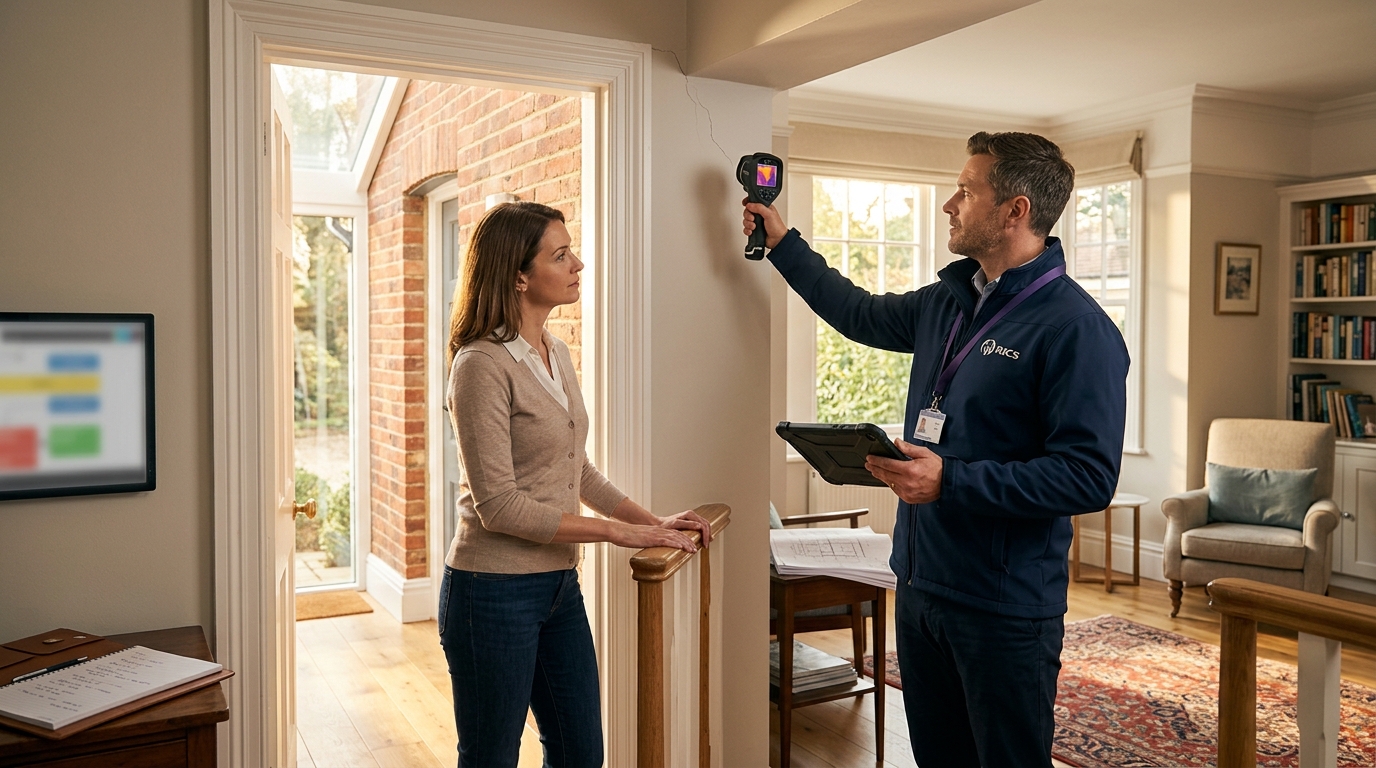
Property transactions in the United Kingdom involve significant financial risk, making the choice of surveyor critical. According to the Royal Institution of Chartered Surveyors, over 1.5 million home moves occur annually, with a substantial portion involving complex structural issues that only certified professionals can accurately diagnose. Choosing between a Royal Institution of Chartered Surveyor (RICS) and a non-RICS qualified professional is not merely a matter of title; it is a decision that impacts insurance, mortgage approval, and long-term asset protection. This guide dissects the operational differences, cost implications, and regulatory frameworks to help you make an informed choice. (Contact Us)
What is RICS and Why Does It Matter?
RICS stands for the Royal Institution of Chartered Surveyors. It is the world's leading professional body for land, property, construction, and infrastructure. Membership is strictly regulated, requiring rigorous examinations, practical experience, and adherence to a strict code of conduct. A chartered surveyor is a professional who has met these high standards and is authorized to use the designation MRICS or FRICS.
The importance of this designation cannot be overstated in the UK property market. Lenders, insurers, and legal professionals rely on RICS standards to ensure consistency and reliability. When you hire an RICS surveyor, you are engaging with a professional bound by professional indemnity insurance and a formal complaints process. This regulatory oversight provides a layer of security that non-regulated professionals cannot offer. For more details on their regulatory framework, you can visit the RICS official website.
Key Differences: RICS vs. Non-RICS Surveyors
The primary distinction lies in regulation and accountability. RICS surveyors are governed by the RICS Rules of Conduct. Non-RICS surveyors, often referred to as building surveyors or general property inspectors, operate without this specific statutory or professional body oversight. While many non-RICS professionals are highly skilled and experienced, they do not adhere to the same global standards of practice.
Regulatory Oversight
RICS members must undergo continuous professional development (CPD). This ensures their knowledge of building regulations, sustainability, and valuation techniques remains current. Non-RICS professionals are not subject to mandatory CPD requirements. This gap can lead to inconsistencies in the quality of reports and the depth of analysis provided. The UK government recognizes RICS as a key standard-bearer in the property sector.
Insurance and Redress
RICS surveyors are required to hold professional indemnity insurance that covers their work for a specified period after the report is issued. If a significant defect is missed, you have a clear path to claim compensation. Non-RICS surveyors may hold insurance, but it is not mandated by a professional body. Furthermore, RICS offers a formal dispute resolution service. If you are unhappy with the service, you can escalate the issue through the RICS redress scheme. Non-RICS professionals may only be subject to general consumer protection laws, which can be more complex to navigate.
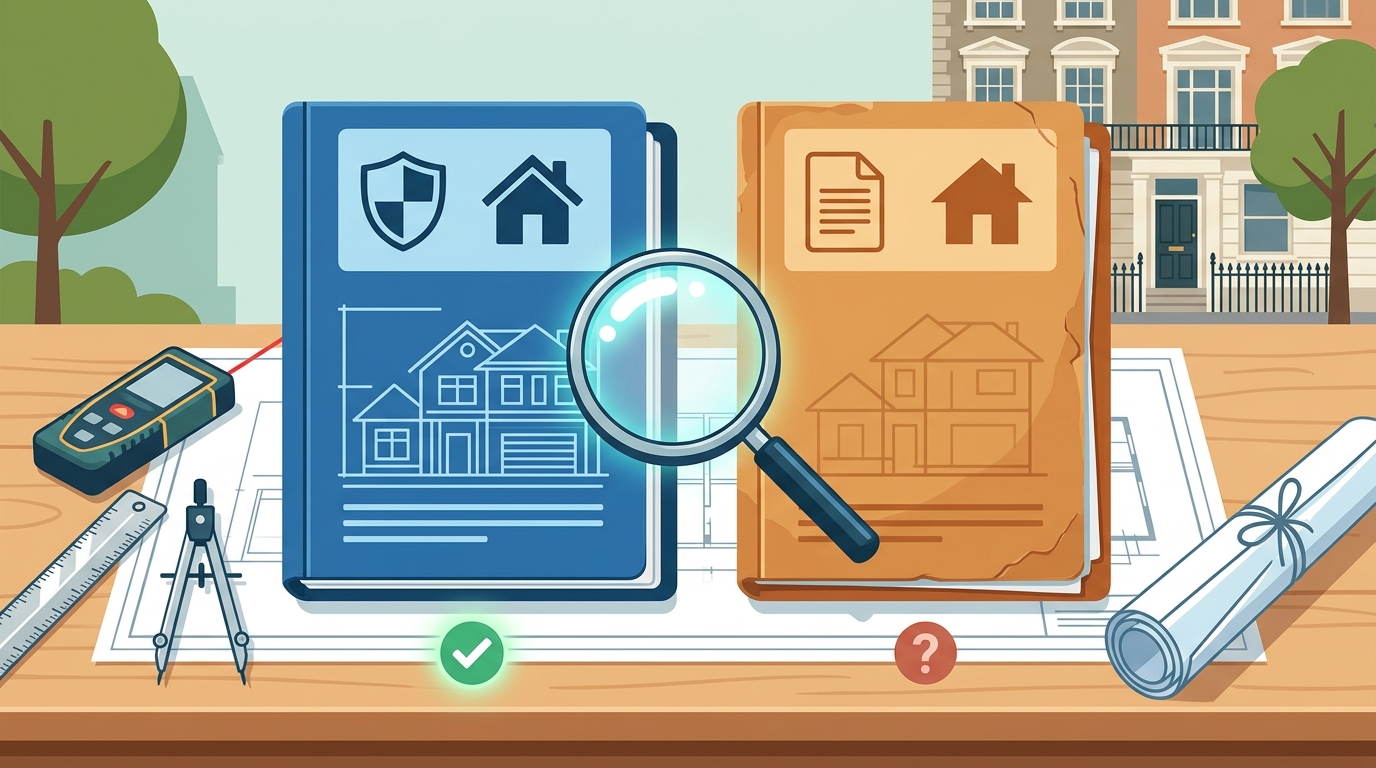
Cost Analysis and Value Proposition
Cost is often the deciding factor for homeowners. RICS surveys typically command a premium price due to the rigorous training and regulatory compliance involved. However, the value proposition extends beyond the initial fee. A comprehensive RICS survey can identify structural issues that could cost tens of thousands of pounds to repair. This early detection can be used to renegotiate the purchase price or withdraw from a bad deal.
Non-RICS surveys are generally cheaper, sometimes significantly so. For a standard, modern property in good condition, a non-RICS inspection might suffice. However, for older properties, listed buildings, or those with known issues, the lower upfront cost can be misleading. The average cost of a survey in the UK varies by region and property value, but the potential savings from avoiding a bad purchase far outweigh the survey fee.
When to Choose RICS vs. Non-RICS
Choosing the right professional depends on the property type and your risk tolerance. RICS surveyors are essential for complex transactions. If you are buying a period property, a flat in a large block, or a home with significant alterations, an RICS survey is non-negotiable. The depth of analysis required to understand damp, subsidence, or structural integrity demands a chartered professional.
Non-RICS surveyors may be suitable for new-build properties or standard Victorian terraces in good condition. These properties often come with new build warranties, reducing the need for extensive structural investigation. However, even in these cases, an RICS HomeBuyer Report can provide valuable independent verification. At A1 Surveyors, we specialize in providing detailed, RICS-compliant reports that give you peace of mind.
Comparing Survey Report Types
RICS offers three main levels of survey. Understanding these is crucial for making the right choice.
| Survey Level | Best For | Depth of Inspection | Cost Indicator |
|---|---|---|---|
| Level 1 (Condition Report) | New builds, conventional homes in good condition | Basic visual inspection, traffic light system | Low |
| Level 2 (HomeBuyer Report) | Standard properties, flats, houses | Visual inspection, identifies risks, drainage check | Medium |
| Level 3 (Building Survey) | Older, unusual, or dilapidated properties | Extensive structural analysis, detailed defects | High |
A Level 3 Building Survey is the most comprehensive option. It is ideal for properties that are over 50 years old or have been significantly modified. The surveyor will examine the structure, fabric, and services in detail. This level of scrutiny is often required by lenders for high-value or complex properties. You can learn more about our Building Survey services to see how we tailor our inspections to your specific needs.
Key Takeaways
- RICS Regulation: RICS surveyors are bound by strict professional standards and must maintain continuous professional development.
- Insurance Protection: RICS members carry mandatory professional indemnity insurance, offering a clear path for compensation if errors occur.
- Cost vs. Risk: While RICS surveys cost more, they provide critical insights that can save tens of thousands in future repairs.
- Report Levels: Choose Level 2 for standard homes and Level 3 for older or complex properties to ensure adequate coverage.
- Dispute Resolution: RICS offers a formal redress scheme, whereas non-RICS professionals do not have this specific oversight mechanism.
- Lender Requirements: Many mortgage lenders prefer or require RICS-compliant reports for loan approval.
- Expertise: Chartered surveyors have specialized training in structural integrity, damp, and building regulations.
Frequently Asked Questions
Is a non-RICS surveyor less qualified?
Not necessarily. Many non-RICS surveyors have extensive experience and qualifications. However, they are not bound by the same regulatory framework or ethical codes as RICS members. The lack of mandatory oversight means there is less consistency in service quality.
Do I need a RICS survey for a new build?
For new builds, a Level 1 Condition Report is often sufficient. However, many buyers opt for a Level 2 report to catch any snags early. New builds come with warranties, but an independent survey provides valuable peace of mind.
How long does a RICS survey take?
A Level 2 survey typically takes 2-4 hours on-site, depending on the property size. A Level 3 Building Survey can take 4-8 hours. The report is usually delivered within 5-10 working days after the inspection.
Can I negotiate the price after a survey?
Yes. If the survey reveals significant defects, you can use the report to negotiate a lower purchase price. This is a common strategy in the UK property market to offset repair costs.
What is the difference between a valuation and a survey?
A valuation determines the market value of the property for the lender. A survey assesses the physical condition of the property. A survey provides much more detailed information about defects and repairs.
Are RICS surveys worth the extra cost?
For most properties, yes. The cost of a survey is small compared to the potential cost of undiscovered structural issues. It provides a comprehensive view of the property's health.
How do I find a local RICS surveyor?
You can use the RICS Find a Surveyor tool to locate accredited professionals in your area. At A1 Surveyors, we are fully RICS accredited and serve clients across the region.
Secure Your Property Investment Today
Do not leave your property purchase to chance. The difference between a RICS and non-RICS surveyor can mean the difference between a sound investment and a financial nightmare. Our team of chartered surveyors provides detailed, accurate, and impartial reports tailored to your specific needs. Contact A1 Surveyors today to book your survey and gain the confidence you need to proceed with your purchase.