
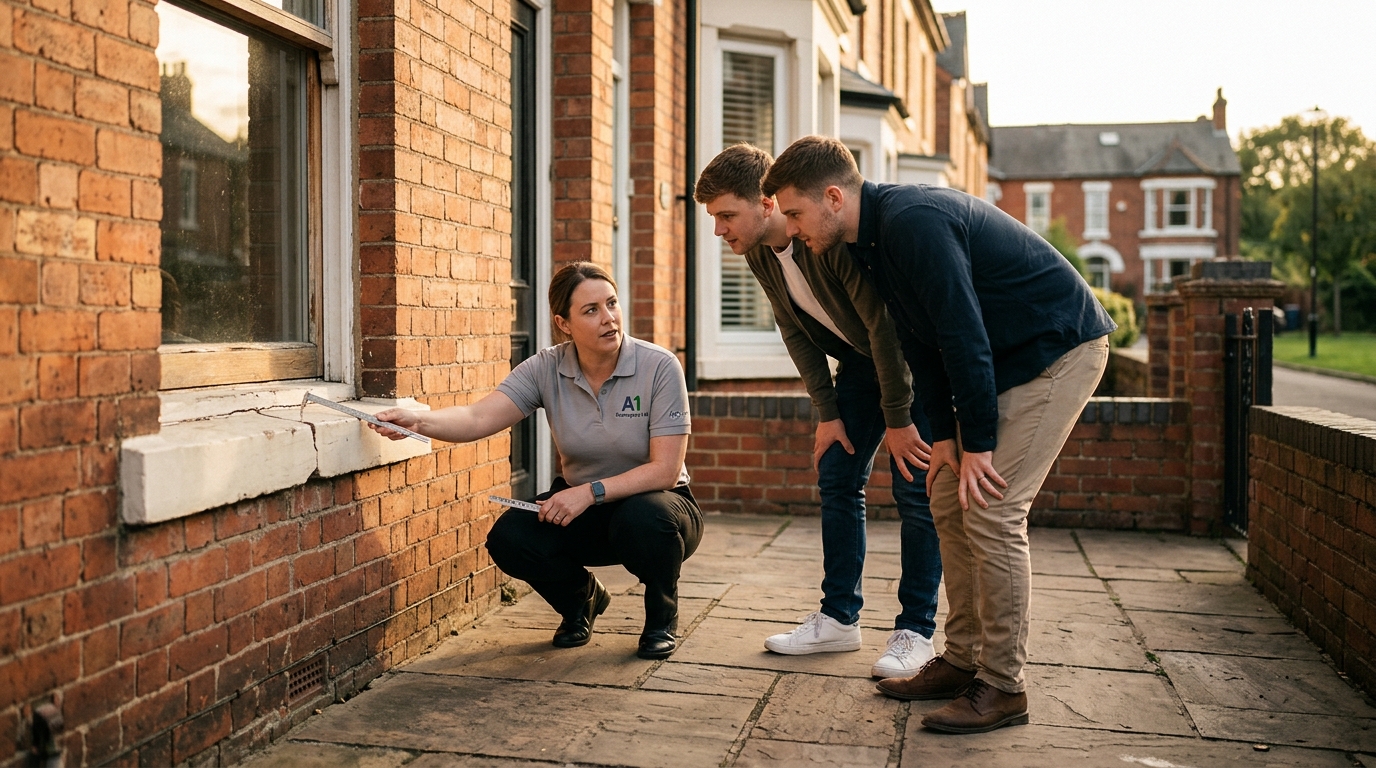
Property transactions in the United Kingdom involve significant financial risk, with the average home price exceeding £285,000 as of recent market data. A Level 2 RICS survey acts as a critical financial safeguard, identifying structural defects that could cost tens of thousands to repair. According to the Royal Institution of Chartered Surveyors, these surveys provide a balanced view of property condition, helping buyers avoid catastrophic financial surprises. This analysis explores the tangible return on investment for commissioning this specific inspection tier. (Contact Us)
Understanding the Level 2 RICS Survey Scope
A Level 2 RICS survey, formerly known as a HomeBuyer Report, is designed for conventional properties that appear to be in reasonable condition. It is not a exhaustive structural investigation but rather a visual inspection of accessible areas. The primary goal is to highlight obvious defects and urgent issues that require immediate attention.
Level 2 RICS survey is a standardized property inspection report that provides a clear overview of the property's condition. It uses a traffic light system to rate the condition of various elements, ranging from green (no action needed) to red (urgent repair required). This standardization allows buyers to quickly grasp the severity of issues without needing technical expertise.
The survey covers visible signs of subsidence, dampness, and structural movement. It also includes a valuation and reinstatement cost estimate, which are crucial for insurance purposes. By engaging professionals from A1 Surveyors, you ensure that these inspections are conducted by qualified experts who adhere to strict RICS standards.
The Cost-Benefit Framework
When evaluating the cost-benefit ratio, one must compare the upfront fee of the survey against the potential cost of undetected defects. The average cost of a Level 2 survey ranges from £400 to £1,000, depending on the property value and location. In contrast, the cost of repairing a major structural defect can easily exceed £20,000.
Data from the National House-Building Council indicates that early detection of defects significantly reduces long-term maintenance costs. For instance, identifying a minor damp issue early can prevent the need for extensive timber treatment or plaster replacement later. The financial benefit is not just in avoiding large repairs but in negotiating a lower purchase price based on the survey findings.
Furthermore, the survey provides a reinstatement cost estimate, which helps in securing adequate buildings insurance. Underinsuring a property can lead to significant financial gaps in the event of a claim. By obtaining accurate data from A1 Surveyors, you ensure that your insurance coverage aligns with the true rebuild cost of your home.
Defect Detection Value
The core value of a Level 2 survey lies in its ability to detect defects that are visible to the naked eye. These include issues like cracked walls, leaking roofs, and faulty drainage. While it does not involve invasive testing, the visual inspection is highly effective at identifying surface-level problems that could escalate.
Structural movement is the gradual shifting of a building's foundation that can lead to significant damage over time. Signs of this include diagonal cracks in walls and doors that stick. A Level 2 survey will flag these issues, allowing the buyer to seek specialist advice if necessary. This early warning system is invaluable for preventing further structural degradation.
Another critical area is damp and water ingress. Persistent damp can lead to mold growth, which poses health risks and requires expensive remediation. The surveyor will check for signs of damp in walls, floors, and ceilings. By addressing these issues early, buyers can avoid the high costs associated with mold removal and structural timber treatment.
For more detailed insights into how these surveys protect your investment, read our guide on why an RICS survey is essential for home buyers.
Comparison: Level 2 vs. Level 3
Choosing between a Level 2 and a Level 3 survey depends on the property's age, condition, and your risk tolerance. A Level 3 survey, or Building Survey, is more comprehensive and invasive. It is recommended for older properties, those in poor condition, or those that have been significantly altered.
| Feature | Level 2 RICS Survey | Level 3 Building Survey |
|---|---|---|
| Scope | Visual inspection of accessible areas | Comprehensive, invasive inspection |
| Best For | Conventional properties in reasonable condition | Older, unusual, or dilapidated properties |
| Cost | Lower upfront cost | Higher upfront cost |
| Defect Detection | Obvious, visible defects | Hidden and structural defects |
| Repair Options | Basic advice on repairs | Detailed repair options and timelines |
While a Level 3 survey offers more detail, it comes at a higher price point. For many buyers, a Level 2 survey provides sufficient information to make an informed decision. However, if the property is a Victorian terrace or has visible signs of significant wear, a Building Survey may be a more prudent investment.
External factors also play a role in this decision. For example, if the property is located in an area prone to subsidence, the cost-benefit analysis might shift towards a more detailed survey. According to recent geological surveys, certain regions in the UK have higher risks of ground movement, making thorough inspections more critical.
Key Takeaways
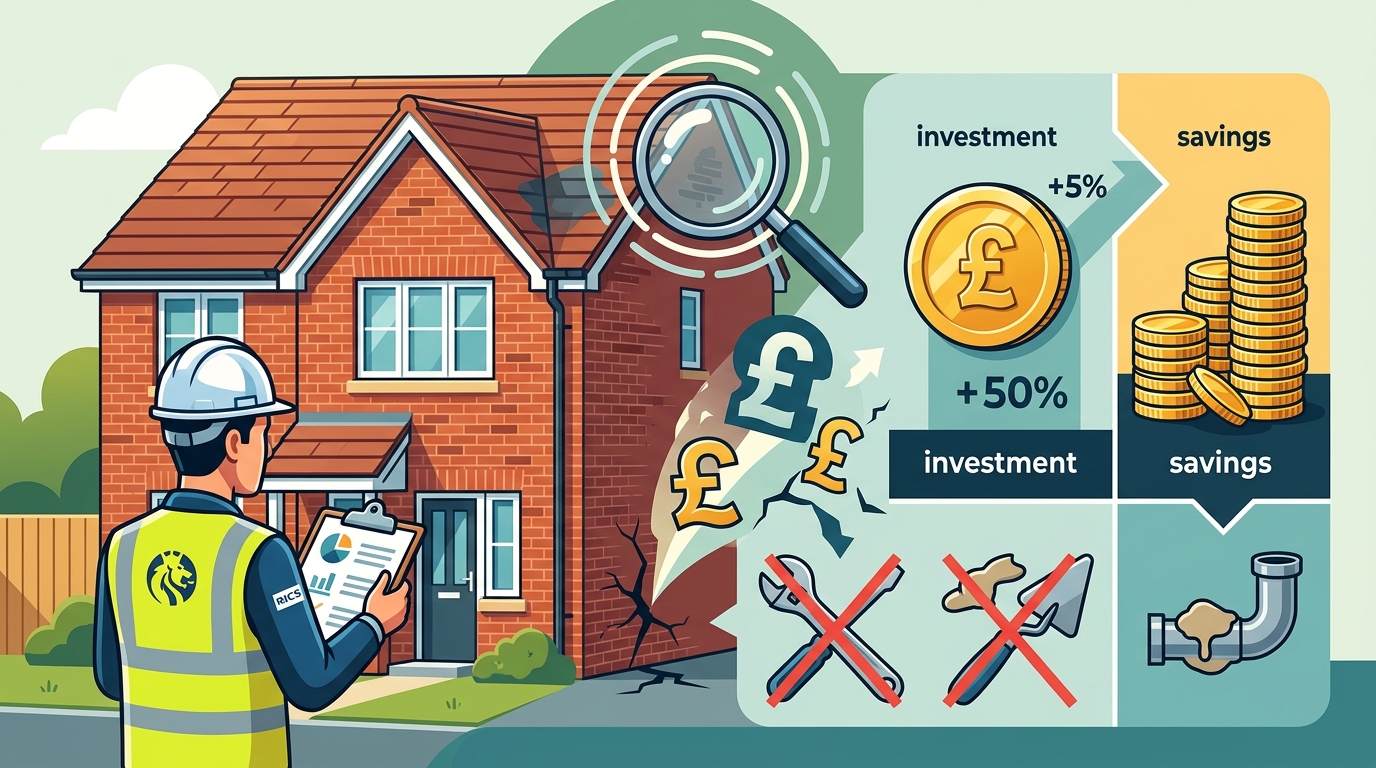
- A Level 2 RICS survey costs between £400 and £1,000, offering a high return on investment by identifying costly defects.
- The survey uses a traffic light system to clearly indicate the urgency of repairs, aiding in quick decision-making.
- Early detection of damp and structural movement can save tens of thousands in future repair costs.
- The report includes a reinstatement cost estimate, ensuring adequate buildings insurance coverage.
- Level 2 surveys are ideal for conventional properties, while Level 3 is better for older or altered homes.
- Professional surveyors from A1 Surveyors provide unbiased, RICS-compliant assessments.
- Negotiating a lower purchase price based on survey findings can offset the cost of the survey itself.
Frequently Asked Questions
What is the difference between a Level 2 and Level 3 survey?
A Level 2 survey is a visual inspection suitable for conventional properties, while a Level 3 survey is a comprehensive, invasive inspection for older or unusual properties.
How much does a Level 2 RICS survey cost?
The cost typically ranges from £400 to £1,000, depending on the property value and location.
Can a Level 2 survey detect subsidence?
Yes, it can identify visible signs of subsidence, such as cracks, but may recommend a specialist investigation for confirmation.
Is a Level 2 survey necessary for a new build?
While new builds often come with warranties, a Level 2 survey can still identify defects that may have been missed during construction.
How long does a Level 2 survey take?
The inspection usually takes 3 to 6 hours, with the report delivered within a few days.
What happens if major defects are found?
You can use the findings to negotiate a lower price, request repairs, or withdraw from the purchase if the defects are severe.
Do I need a survey if I am paying cash?
Yes, even without a mortgage, a survey protects your financial investment by revealing hidden defects.
Secure Your Investment Today
Do not leave your property purchase to chance. A Level 2 RICS survey provides the clarity and confidence needed to make a sound financial decision. By identifying major defects early, you can avoid unexpected costs and ensure your new home is a safe and sound investment.
Contact A1 Surveyors today to schedule your inspection. Our team of qualified surveyors is ready to provide you with a detailed, unbiased report that protects your interests. Visit our services page to learn more about our comprehensive survey offerings.