

Choosing the right property surveyor is critical for protecting your investment. A qualified RICS surveyor provides an independent, expert assessment of a property's condition. This guide explains how to verify credentials, understand survey levels, and select a professional who meets strict regulatory standards. We cover the essential criteria for finding a reliable expert in the UK market. For additional details, review the About Us.
Customer Reviews and Reputation
RICS Regulation and Compliance
The Royal Institution of Chartered Surveyors (RICS) is the global professional body for the land, property, construction, and infrastructure sectors. RICS regulation is a mandatory framework that ensures members adhere to strict ethical and professional standards. A RICS-regulated surveyor must comply with the RICS Professional Statement on Home Surveys. This ensures the survey follows a standardized methodology. Compliance with RICS rules provides a layer of consumer protection that non-regulated providers cannot offer. You can verify a surveyor's status through the RICS public register.
Key Surveyor Selection Criteria
Selecting a surveyor requires evaluating specific professional attributes. Experience with the specific property type is a primary factor. A surveyor who specializes in older Victorian homes may not be the best fit for a modern new-build. Consider the surveyor's local knowledge of the area. Local expertise helps identify common regional defects and planning issues. Communication skills are also vital. The surveyor should be able to explain complex technical issues in plain language. For additional details, review the Home.
Experience and Specialization
Look for a surveyor with a portfolio that matches your property. If you are buying a listed building, seek a specialist in heritage properties. For standard residential purchases, a generalist with strong RICS credentials is often sufficient. Ask about their recent work in your specific neighborhood. according to How to File For additional details, review the Legal Notice.
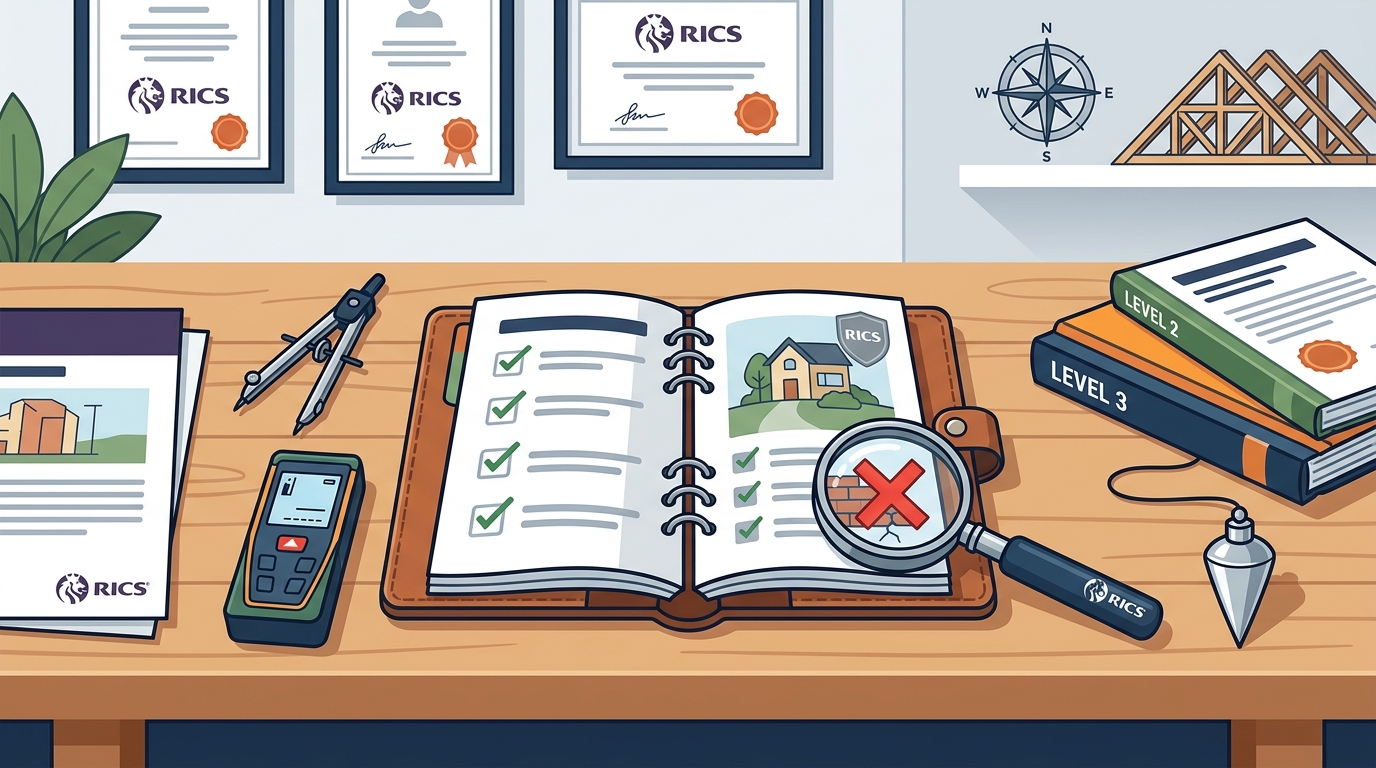
Communication and Reporting Style
Professional Indemnity Insurance
Professional indemnity insurance is a legal requirement for RICS members. This insurance covers clients against financial loss caused by professional negligence. It protects you if the surveyor misses a significant defect that causes damage or financial loss. Verify that the surveyor holds adequate cover. The RICS requires members to maintain specific levels of insurance. This coverage is a critical safety net for your investment. Always ask for proof of current insurance before booking a survey. according to How to File
Finding Surveyors in Your Area
Local surveyors often provide faster service and better regional knowledge. Search for firms based in your city or county. For example, if you are in Nottingham, look for surveyors with a local office. Proximity can be important for urgent inspections or follow-up visits. Check if the firm operates in your specific area. Some national firms have local branches, while others operate remotely. A local presence often indicates a deeper understanding of local building practices and regulations.
Understanding Survey Levels
| Survey Level | Description | Best For |
|---|---|---|
| Level 1 | Basic check for obvious defects. No advice on repairs. | New builds or modern properties in good condition. |
| Level 2 | More detailed inspection. Identifies defects and provides repair advice. | Most standard residential properties. |
| Level 3 | Comprehensive structural survey. Detailed analysis of defects and materials. | Older, larger, or modified properties. Listed buildings. |
Level 2 surveys are the most common for standard purchases. They provide a balance of detail and cost. Level 3 surveys are more expensive but offer the highest level of detail. They are essential for properties with complex histories or significant modifications.
Professional Directories and Search Tools
Selecting a RICS Surveyor
When selecting a RICS surveyor, verify their specific qualifications. Not all RICS members are qualified to perform home surveys. Look for the specific designation for home surveying. Check their experience with the type of property you are buying. Ask about their approach to reporting and communication. A good RICS surveyor will be transparent about their process. They should be willing to answer your questions before you book.
Verifying Surveyor Credentials
Verifying credentials is a simple but essential step. Use the RICS public register to confirm the surveyor's membership status. Check for any disciplinary actions or complaints. Look for additional qualifications relevant to your property. For example, a qualification in structural engineering is valuable for older homes. Ensure the surveyor is up to date with their continuing professional development. This ensures they are aware of the latest building standards and regulations.
Using the RICS Surveyor Directory
RICS Surveyor Credentials Explained
Key Takeaways
- Always verify a surveyor's RICS membership status through the public register.
- Check for professional indemnity insurance to protect against negligence.
- Choose the survey level based on the property's age and condition.
- Look for local expertise and experience with similar property types.
- Read customer reviews to assess communication and reliability.
- Use professional directories like the RICS website to find qualified experts.
- Ask for a sample report to evaluate clarity and detail.
- Ensure the surveyor is up to date with continuing professional development.
Frequently Asked Questions
What is the difference between a Level 2 and Level 3 survey?
A Level 2 survey is a standard inspection that identifies defects and provides repair advice. A Level 3 survey is a comprehensive structural survey that offers a detailed analysis of the property's condition, materials, and defects. Level 3 is recommended for older or complex properties.
How do I verify if a surveyor is RICS regulated?
You can verify a surveyor's RICS status by searching the RICS public register on their website. Enter the surveyor's name or firm name to confirm their membership and any disciplinary history.
Is professional indemnity insurance mandatory for surveyors?
Yes, professional indemnity insurance is a mandatory requirement for RICS members. It protects clients against financial loss caused by professional negligence.
Should I choose a local surveyor or a national firm?
How much does a property survey cost?
Costs vary depending on the property size, location, and survey level. Level 1 surveys are the cheapest, while Level 3 surveys are the most expensive. Get quotes from multiple surveyors to compare prices and services.
Can I use a surveyor's report for insurance purposes?
Yes, a detailed survey report can be used to inform your insurance decisions. It helps identify potential risks and defects that may affect your insurance premium or coverage.
Conclusion
Choosing the right property surveyor is a critical step in protecting your investment. By verifying RICS credentials, checking insurance, and understanding survey levels, you can make an informed decision. A1 Surveyors Ltd specializes in Level 2 and Level 3 RICS Home Surveys and Valuations. Our team of seasoned professionals provides precise and expert assessments to help you make informed decisions. To plan your visit, for a quote and booking.